
Food & drink
Eating in Salto
Nobody here will sell you an asado experience. They will lend you the fire.
The parrillero is public
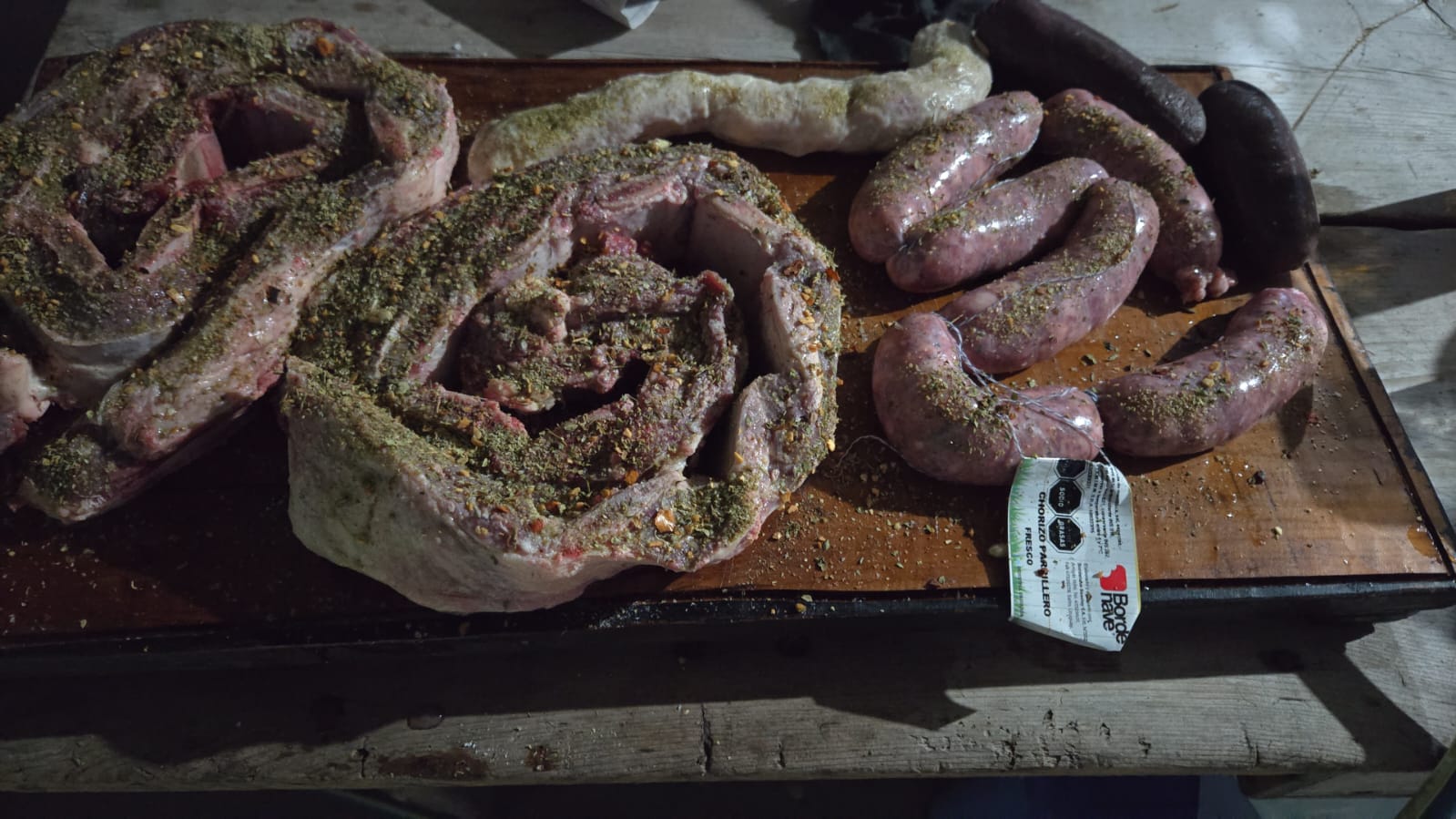
The first thing to understand about food in Salto is that the best meal is one you cook. Every public park in Uruguay has parrilleros, brick grills with a firebox at the side, and Termas del Daymán has them among the lawns between the pools. You buy the meat and the wood at a supermarket, you claim a grill, and you have the afternoon.
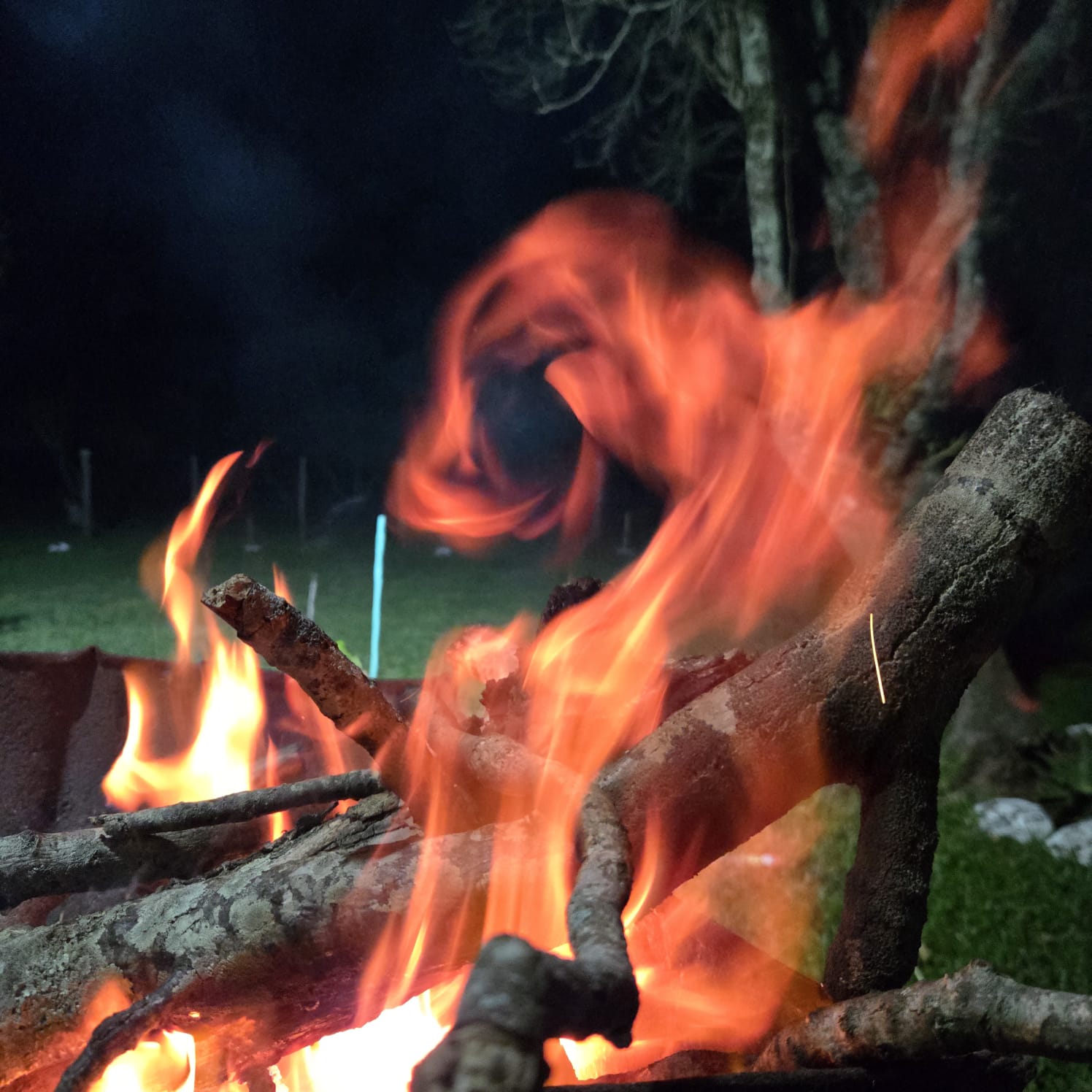
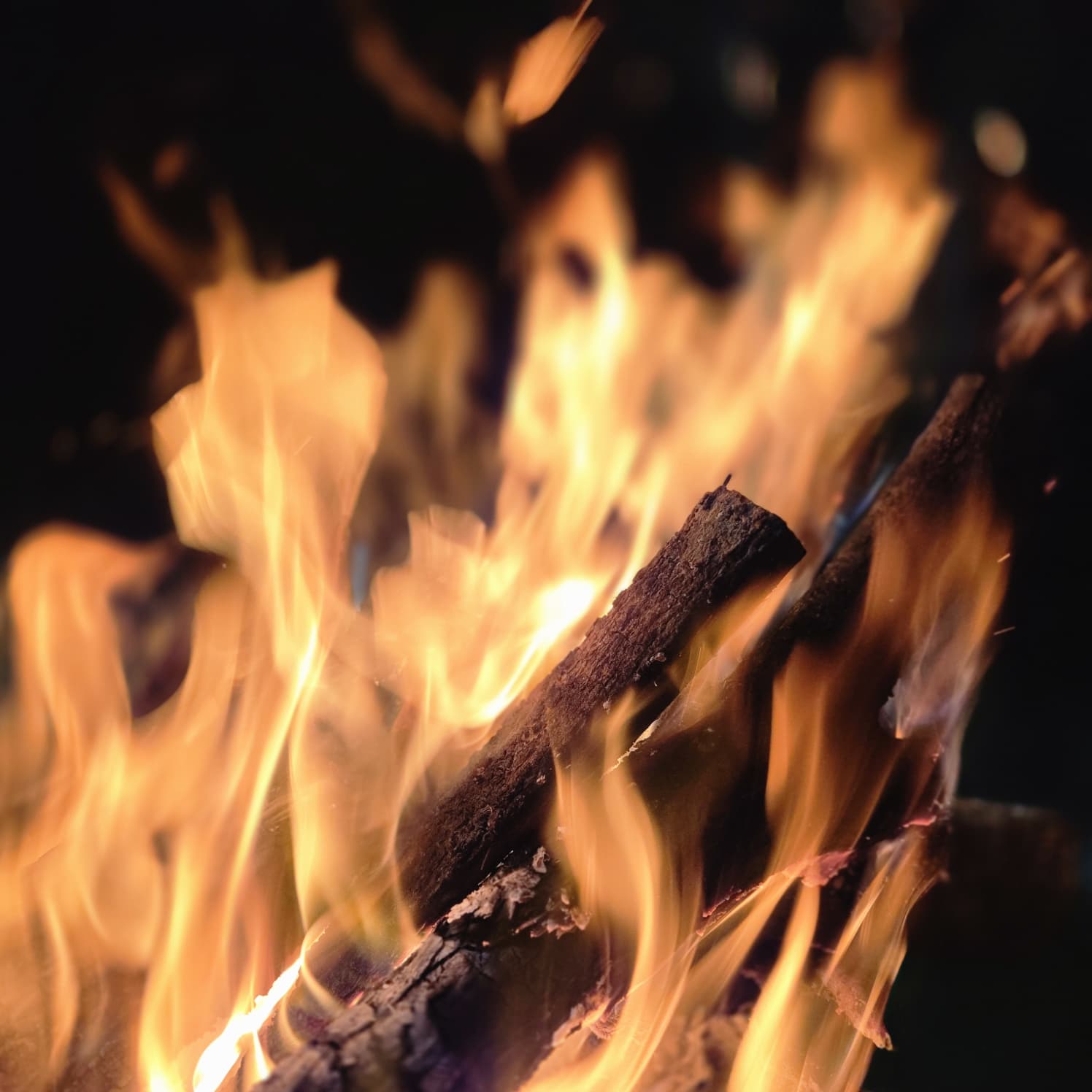
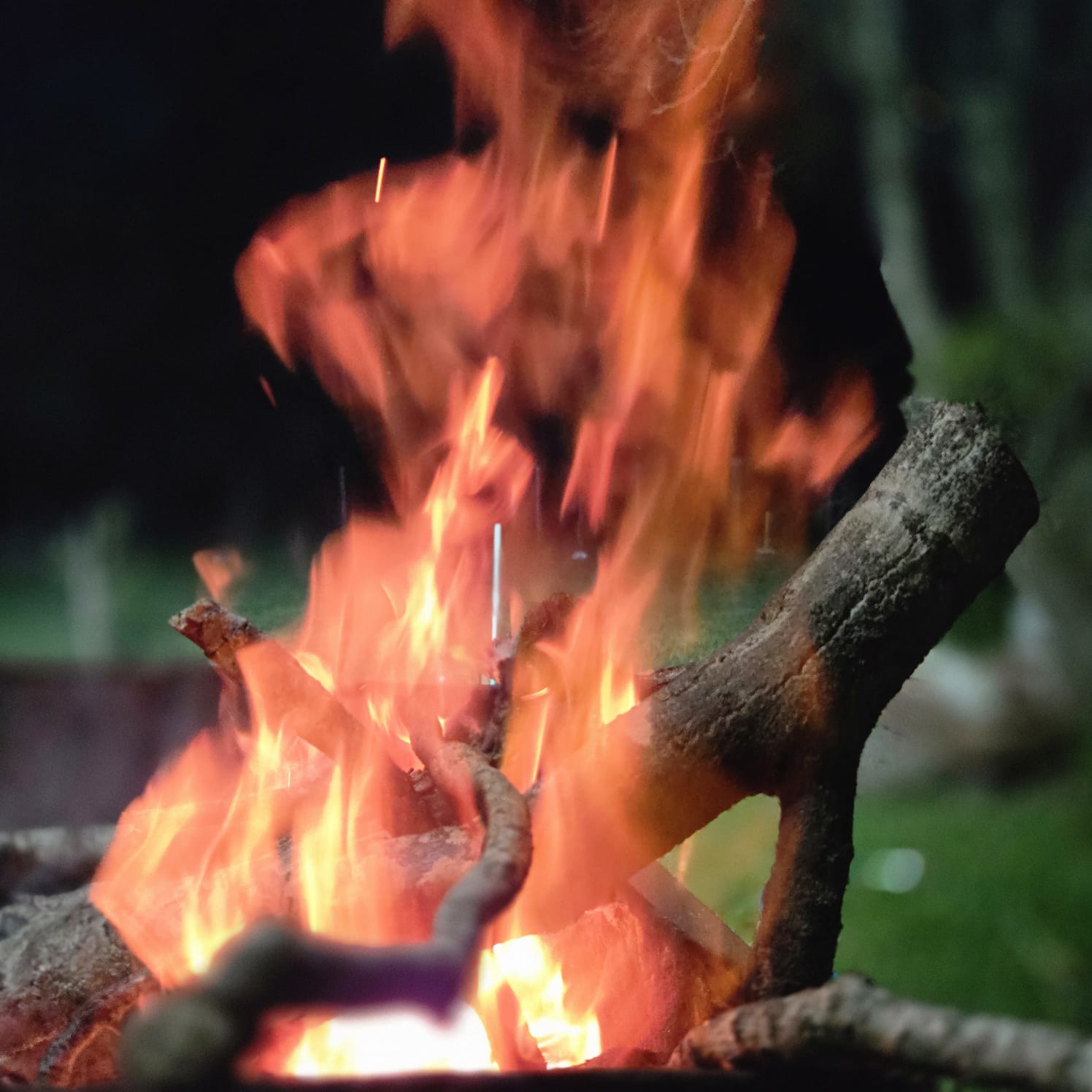
The technique matters, and it is different from across the river. Argentines do their asado fast, over charcoal. Uruguayans do it slowly, over wood: the logs burn down in the firebox, the embers are raked under the grill a shovel at a time, and the meat sits high and takes its time. It is less a meal than a way of spending four hours. Nobody is in a hurry, and you should not be either.
- What to buy: asado de tira (short ribs, the classic), vacío (flank), chorizo and, if you are brave, morcilla (blood sausage). Salt is the only seasoning. Bread, a tomato-and-onion salad, and something to drink.
- Firewood, not charcoal. Ask for leña. Give it 45 minutes to become embers before any meat goes on.
- Budget: around US$8 per person, sharing, which is roughly a third of the same meal in a restaurant.
Doing it on your own at the hot springs is day one of our backpacker itinerary. Bring nothing but appetite; the park has the grills, and the supermarket on the way has everything else.
The chivito, Uruguay's national sandwich
A thin steak, ham, cheese, a fried egg, lettuce, tomato and mayonnaise on a soft bun, usually with fries. Order it al plato and it arrives without the bread, on a plate, with the same things plus Russian salad. One is a meal. It exists everywhere in town and it is what locals eat when they do not feel like cooking.
Mate, all day
The gourd and thermos under every arm on the costanera is mate: yerba, hot water, shared in a circle, passed clockwise, drunk to the end and handed back. It is not a café drink; nobody sells it by the cup. Buy a gourd, a bombilla (the metal straw) and a bag of yerba in any supermarket, about US$10 in total, fill the thermos at your hostel or hotel, and you are equipped for the rest of the trip. Being offered a mate is the friendliest thing that can happen to you in Uruguay. Say yes.
Citrus country
Salto grows most of Uruguay's citrus, and you see it from the air before you land: orange and mandarin groves in rows around the city. Winter is the season. From about May to September the mandarins are at their best, sold by the bag at roadside stalls and in the markets, and the local habit of sitting in the winter sun peeling them on the riverfront even has a verb, lagartear, lizarding. Fresh orange juice is on every breakfast table for the same reason.
What else is on the table
River fish
The Río Uruguay puts dorado, boga and catfish on the menu at parrillas near the water. Grilled, simply. Ask what came in that day.
Pasta and milanesa
Uruguay is more Italian than it looks. Sunday is pasta day in most homes and restaurants, and the milanesa, a breaded cutlet the size of the plate, is everywhere.
Sweet things
Dulce de leche in and on everything, alfajores from the kiosks, and torta frita, fried dough that appears on street corners the moment it rains.
Tannat and a cold one
Tannat is Uruguay's grape, grown mostly in the south around Canelones. Order it with the asado. Beer is Patricia or Pilsen, in a litre bottle for the table.
Where to eat, and how to pay less
The restaurants cluster around the centre and the riverfront, and the food stalls inside the Daymán park do a plate of the day and a chivito for park prices. Dinner is late: kitchens fill from 21:00, and many places close on Sunday evening and Monday. A tip of about 10% is usual and appreciated.
- Pay by foreign card. Restaurants take 9 points of VAT off the bill when you pay with a foreign-issued debit or credit card; small places that do not itemise VAT apply a flat 7.38% discount instead. It is automatic and it adds up over a week.
- Carry some pesos. Roadside citrus stalls, the market and the smallest places are cash only.
- Vegetarian? Possible but not effortless: pasta, pizza, tortilla, salads and the market. Say sin carne and check the sauce.
The tax rules are explained in full, with dates, in our FAQ.
Hungry for the rest of the plan?
See experiences & itineraries →