
The Short Version
What Grows Here
Salto is farming country first. Most of Uruguay’s citrus is grown here, and about 40% of the fresh fruit and vegetables the country eats. There are olive groves, vineyards that go back to the 1870s, and beyond the farms a huge, nearly empty grassland where a deer found nowhere else still lives.
Very little of this is set up for visitors. The fruit is sold by the bag at the roadside. The olive groves and the vineyards are working farms. The deer live on private cattle land, with no gate and no ticket office. This page is the countryside as it is.
Citrus
Oranges by the Bag
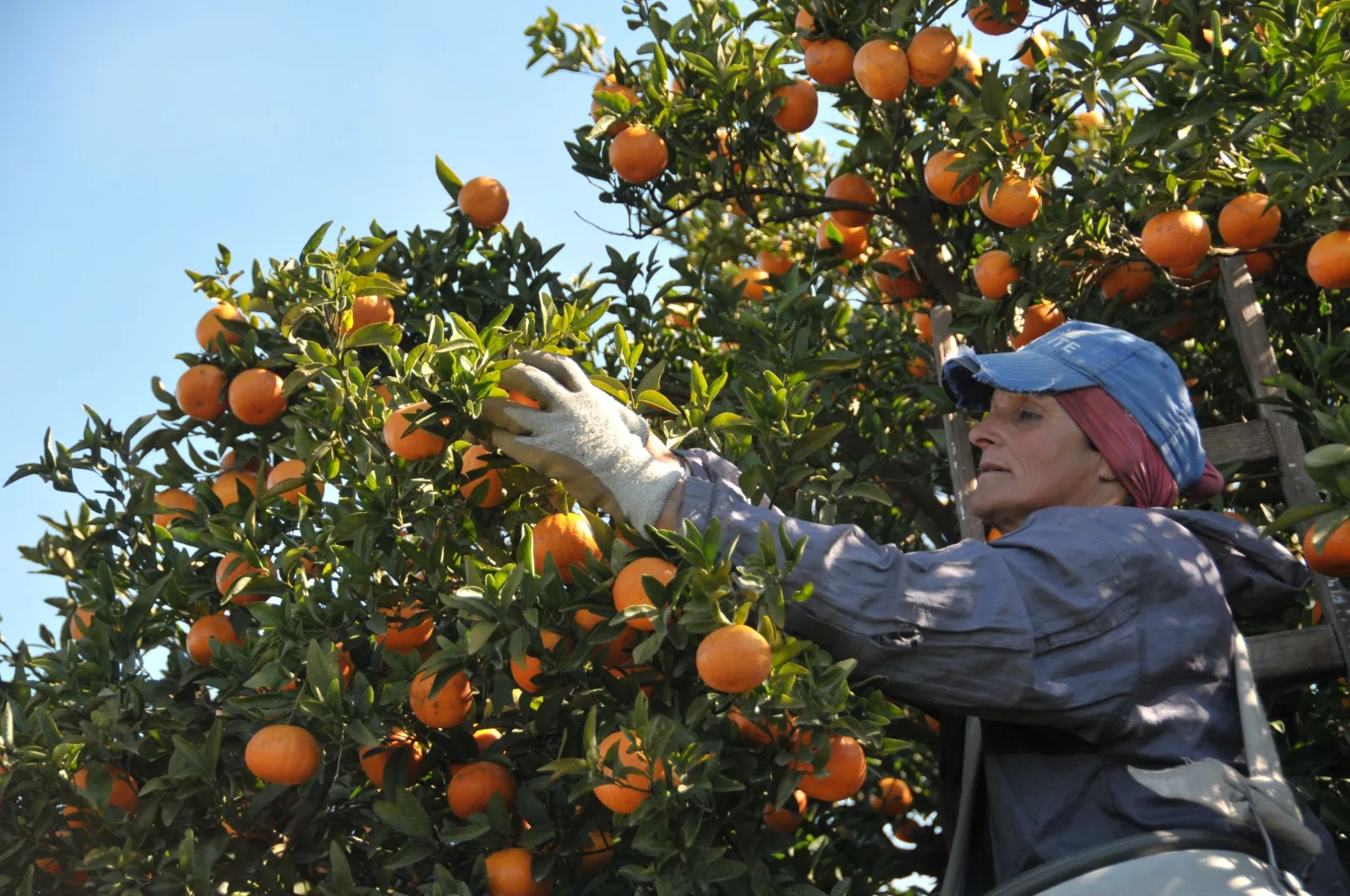
The groves begin at the edge of the city and run beside the roads in every direction, oranges and mandarins in long straight rows. If you fly in, you see them before you land.
Winter is the season. From about May to September the fruit is picked, the mandarins are at their best, and they are sold by the bag at stalls along the road. The stalls take cash only.
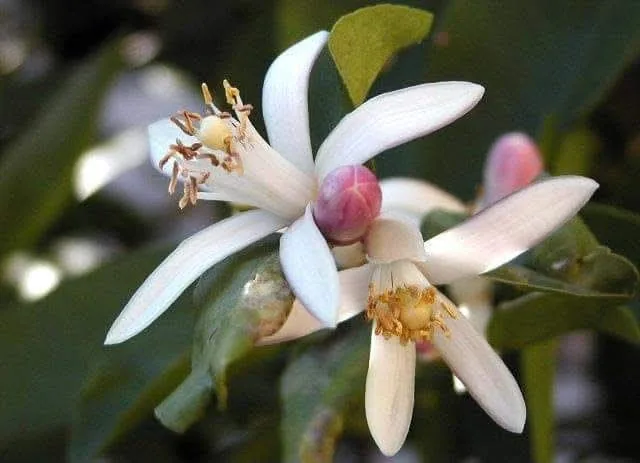
In spring the trees flower, and for a few weeks the groves smell of orange blossom (azahar).
Horticulture
Winter Tomatoes
Salto is a little warmer than the south of Uruguay, and the growers have built a whole trade on that. In greenhouses and plastic tunnels on the roads out of the city they grow tomatoes, peppers, strawberries, courgettes and more right through the winter, when the fields around Montevideo are cold.
The Intendencia, the local government, puts Salto’s share at about 40% of the fresh fruit and vegetables eaten in Uruguay, and higher in winter. More than half the country’s strawberries are grown here. A tomato eaten in Montevideo in July has a good chance of having grown in Salto.
Figures: Intendencia de Salto (share of fresh produce) and INIA, Uruguay’s agricultural research institute (strawberries).
Olives
Old Trees, New Groves
Olive trees were planted around Salto decades ago, long before anyone talked about Uruguayan olive oil, and for most of that time they were a sideline. That has changed. In recent years the groves have multiplied, and the oil made here has started to attract buyers in Europe and North America.
The main varieties are Arbequina and Picual, both from Spain. The harvest runs from April to June, with cool mornings and the smell of pressed fruit around the mill.
Wine
The Cradle of Tannat
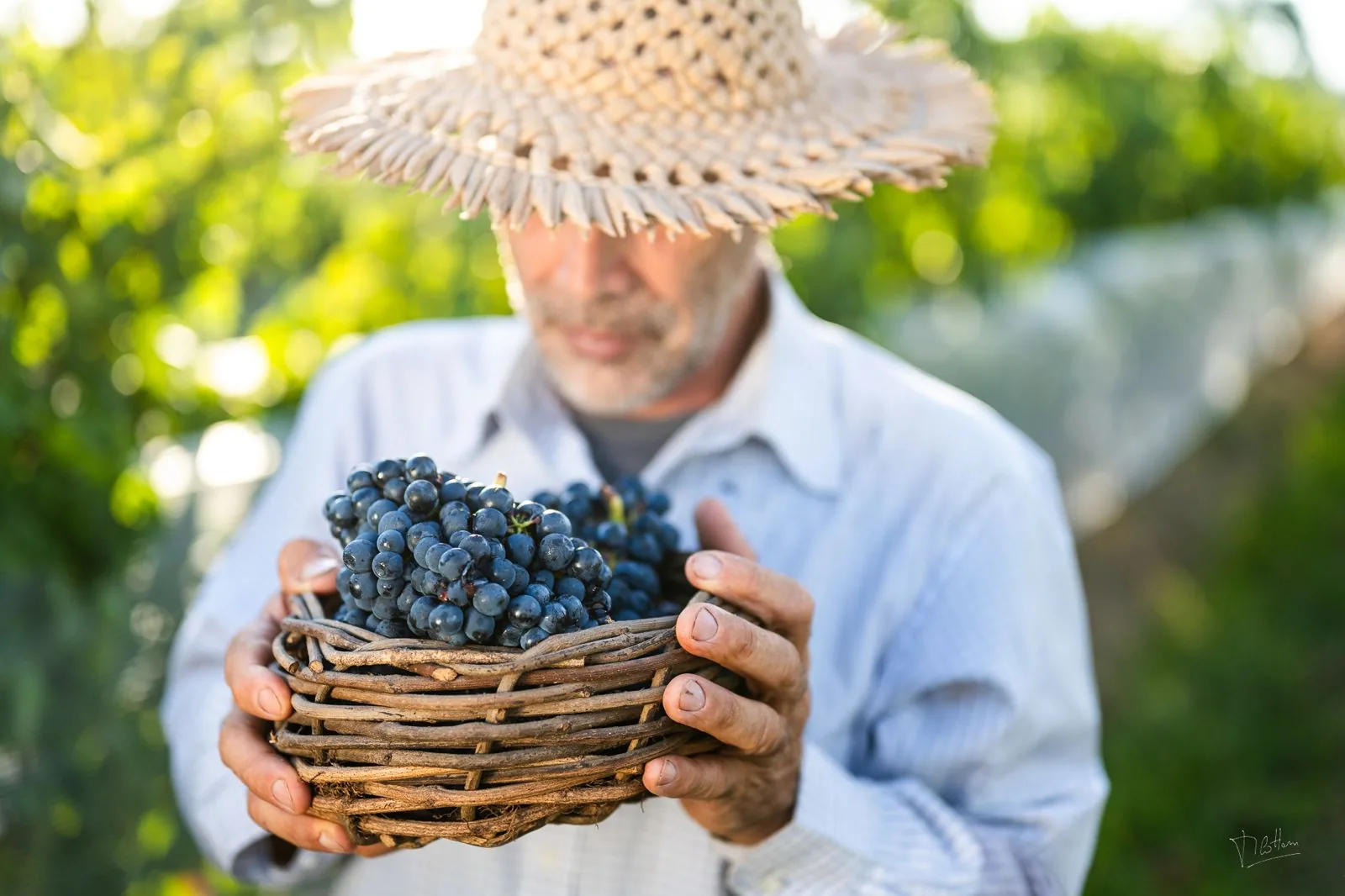
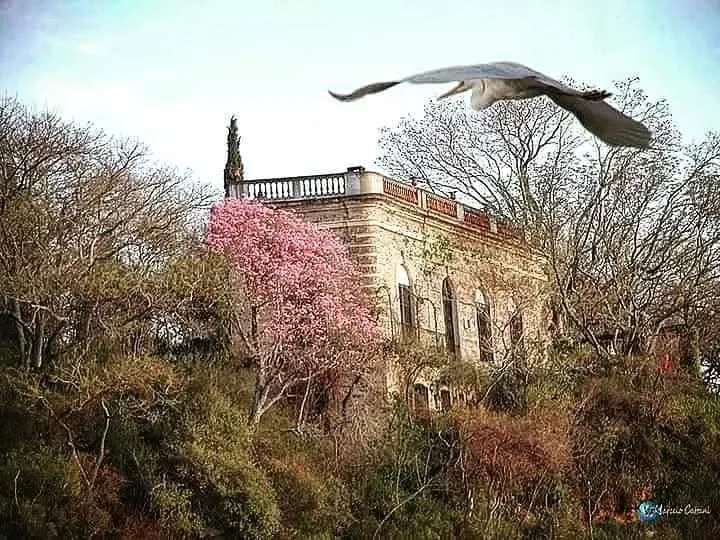
Uruguay’s signature grape came into the country through Salto. In the 1870s Pascual Harriague, a Basque from Hasparren, planted Tannat on the edge of the city. It did so well that for years Uruguayans simply called the grape Harriague. Tannat is now grown all over the country, and Salto still calls itself la cuna del Tannat, the cradle of Tannat. The ruins of his winery stand in La Caballada, on the edge of the city, and Uruguay’s Tannat Day, 14 April, is the anniversary of his death.
Wine never became the big business here that it did near Montevideo, but it never stopped either. Two Salto wineries, Bertolini & Broglio and Salto Chico, pour at the Salón del Vino Fino each year alongside the country’s best-known bodegas. The harvest is in February and March.
Arerunguá
The Deer That Live Nowhere Else
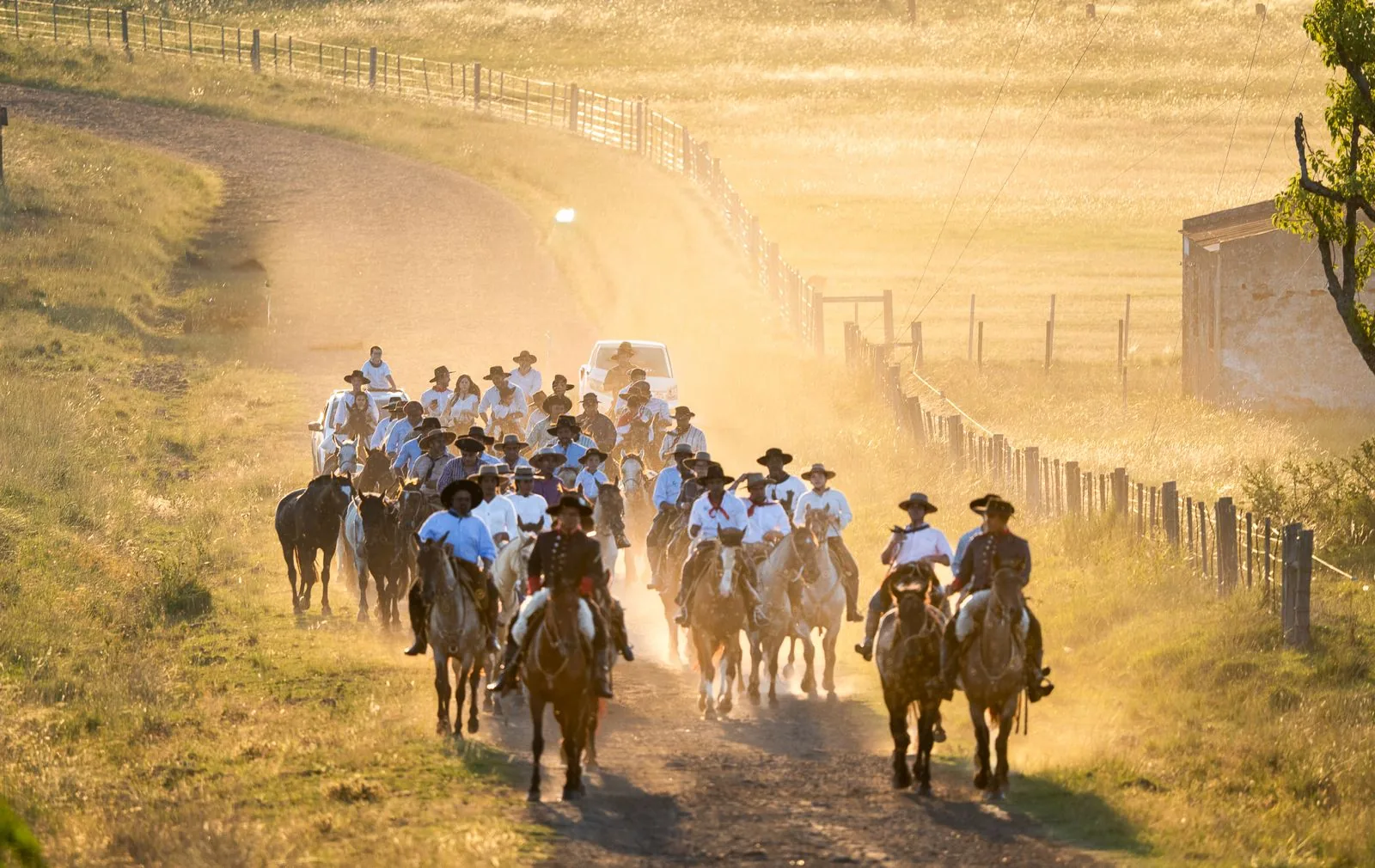
Past the farms, the department opens into grassland. Arerunguá, deep in the interior and reached from Route 31 on gravel roads, is a large stretch of natural grassland, the kind that has mostly been lost elsewhere in the Pampas to crops and planted forest.
It is also where the pampas deer (venado de campo) survives. The deer is one of South America’s most threatened mammals, and Uruguay has two wild populations left. The larger, around 800 to 1,000 animals, lives on the grasslands of El Tapado in the Arerunguá area, and it belongs to a subspecies described from here, Ozotoceros bezoarticus arerunguaensis, found nowhere else on Earth.
The deer live on private cattle ranches (estancias), not in a reserve. There is no gate, no visitor centre and no guarantee of seeing one.
Birdwatching
Four Important Bird Areas
Uruguay has more than 450 recorded bird species, and the country around Salto holds an unusual share of them: the river, the gallery forest along it, palm groves, open grassland and the lake behind the dam, all within reach of the city.
BirdLife International, which identifies the world’s Important Bird Areas (IBAs), lists 22 in Uruguay. Four of them are in Salto: Arapey, shared with Artigas; San Antonio; Corralitos; and Campos de El Tapado, the deer’s grassland, which at 446,600 ha is the third largest in the country and the largest in the north. Among the birds they were listed for are the yellow cardinal (cardenal amarillo), an endangered songbird of the north-west, and the small seedeaters (capuchinos) that migrate along the Uruguay river.
Closer to the city the birds come easily: kingfishers, cocoi herons and egrets on the water, screamers at the water’s edge, caracaras over the fields, burrowing owls on the fenceposts at dusk, red-crested cardinals and monk parakeets in the trees, and the hornero, the national bird, with its clay-oven nests on the posts. Spring brings song and migrants. Autumn and winter gather the waterbirds on the lake. First light is the hour.
| Important Bird Area | Where | Area |
|---|---|---|
| Campos de El Tapado | Salto | 446,600 ha |
| Arapey | Salto and Artigas | 80,000 ha |
| San Antonio | Salto | 31,200 ha |
| Corralitos | Salto | 11,200 ha |
Source: BirdLife International, Important Bird Areas Americas, Uruguay chapter (2009), compiled with Aves Uruguay.
The Campo
How Quiet It Is
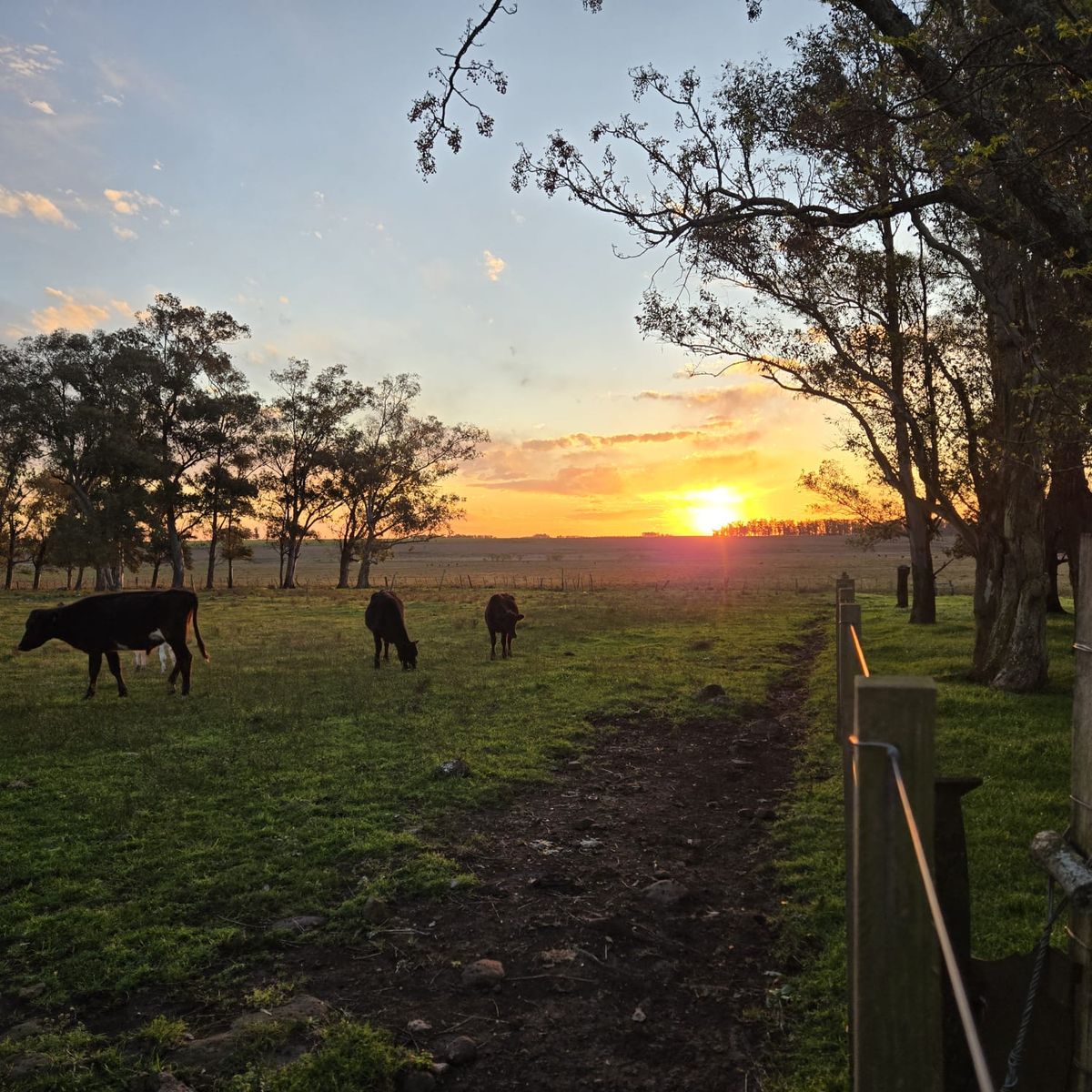
The department of Salto covers 14,163 km², about the size of Northern Ireland. The 2023 census counted 136,000 people, and most of them live in the city. Everyone else is spread across the rest: the farms, a few villages, the hot springs and the estancias.
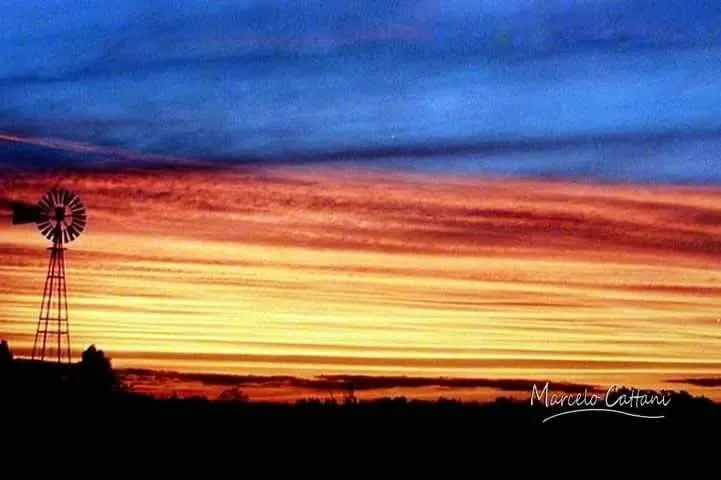
Off the main roads the tarmac ends and the gravel starts. You pass a gate, a windmill, cattle, a line of eucalyptus planted as a windbreak, and then nothing for a long time. An estancia’s nearest neighbour may be several kilometres away. At night the only light is the house you are staying in.
For some people that is the reason to come.
On the Road
Good to Know
The groves and greenhouses line the roads out of the city, so a drive to the hot springs already goes through them.
From May to September, a bag of mandarins from a stall on the way out of town. Cash only. One stall has a name: Empalme KM 525, on Route 3 at km 525 by the turn-offs to Palomas, Saucedo and Constitución, on the way to Arapey. Four local women run it, and the counter has cheeses, jams and preserves, drinks and something quick to eat, much of it made in Constitución, Belén and Palomas. Open Monday to Friday, 8am to 5pm.
Private land, gravel roads, no services and a long way from anywhere. Not a trip to improvise on the day.
Winter for the citrus, spring for the blossom and the birds, late summer for the grapes, autumn for the olives. The campo is there all year.