
Words by Mathias Nicola · August 2026 · Revised October 2026
Long before the first fisherman casts a line or the first golfer tees off, the riverbanks of Salto are already busy. At dawn the Uruguay River and the wetlands around it fill with sound: a chorus of hundreds of species that makes this corner of Uruguay one of the most rewarding and least-known birdwatching destinations in South America.
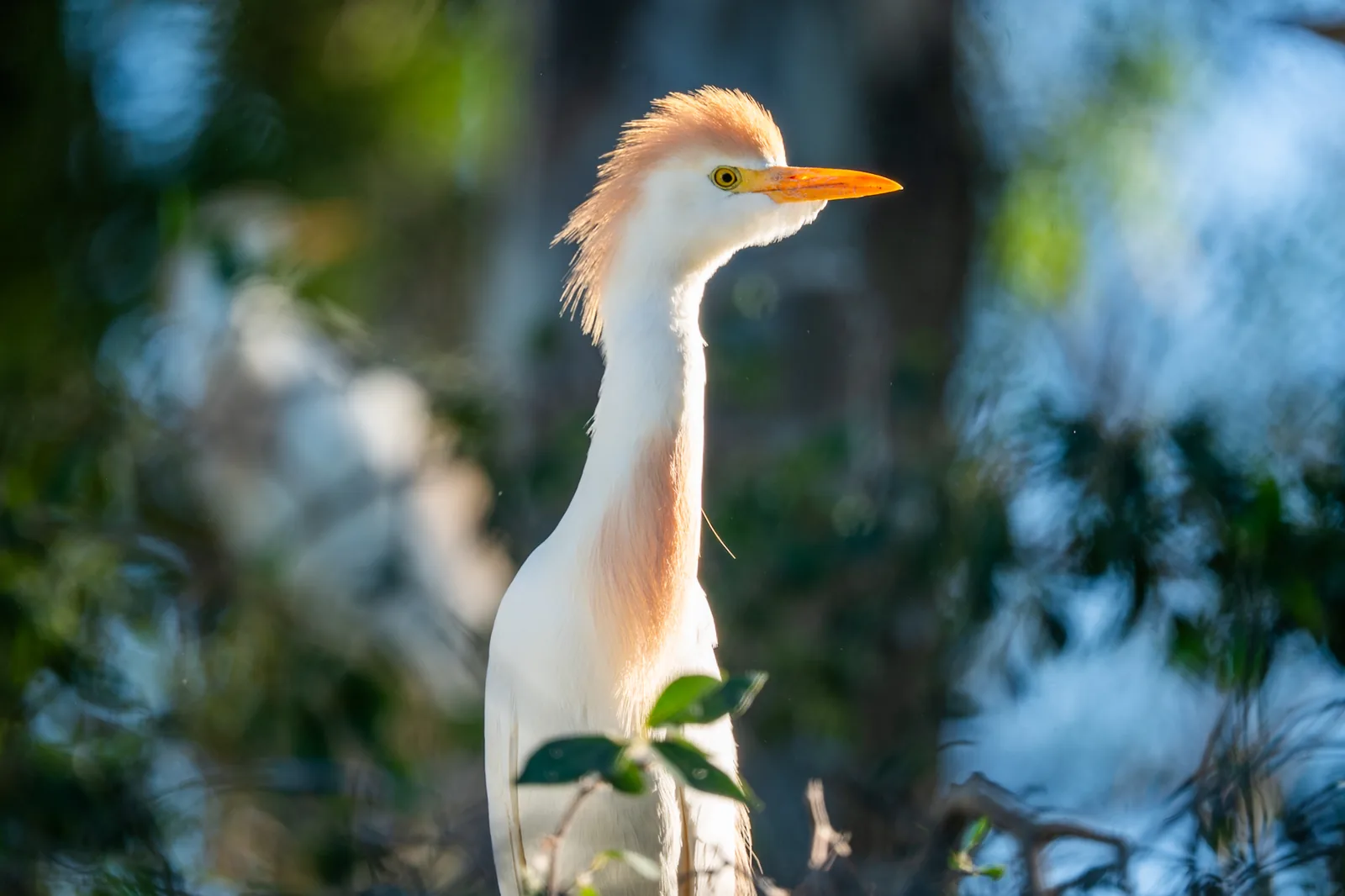
Uruguay has more than 450 recorded bird species, and the Salto region, with its mix of river, gallery forest, palm groves, open grassland and the vast reservoir behind the Salto Grande dam, concentrates an extraordinary share of them. For the visiting birder it offers something rare: abundance without crowds, and access without difficulty.
On the water and along its margins you will find ringed kingfishers, cocoi herons, great egrets and the striking southern screamer, while the reedbeds hide rails, gallinules and the occasional elusive bittern. Overhead, southern crested caracaras and chimango caracaras patrol the open country, and at dusk the unmistakable silhouette of the burrowing owl appears on fenceposts across the campo.
The grasslands and wetland edges around Salto are especially rich in raptors and open-country specialists. The savanna hawk (aguilucho) soars on broad wings over the marsh, the elegant white monjita (monjita) sits bright and unmistakable on low fenceposts, and the flooded margins of the Salto Grande reservoir fill with migratory shorebirds and great concentrations of waterfowl, especially outside the breeding season.
What stays with you, though, is the colour. The unmistakable red-crested cardinal (cardenal) hops boldly across lawns and trails, flocks of monk parakeets chatter through the palms, and the green-barred woodpecker and a dozen species of tanager and finch bring the gallery forest to life. The national bird of Uruguay, the rufous hornero (hornero), builds its clay-oven nests on posts and branches across the region, a constant companion on any walk.
The best birding is along the riverfront paths, in the wooded areas near the dam, and on the rural ranches (estancias) that ring the city, many of which welcome visitors. Spring (September to November) brings breeding plumage, song and returning migrants; autumn and winter concentrate waterbirds along the reservoir. A local guide turns a good morning into a great one, knowing where the screamers roost and which palm grove the parakeets favour. The anglers share the dawn with you: fishing in Uruguay means this same stretch of river.
Binoculars and first light are all the preparation it takes, and the river does the rest. In Salto, birdwatching is not a niche pursuit. It is simply the most natural way to meet the landscape.
A local guide turns a good morning into a great one, and I can arrange the guide and the meeting point for the dates you are here.
Birdwatching →Or see it from the air →