
Words by Mathias Nicola · November 2026
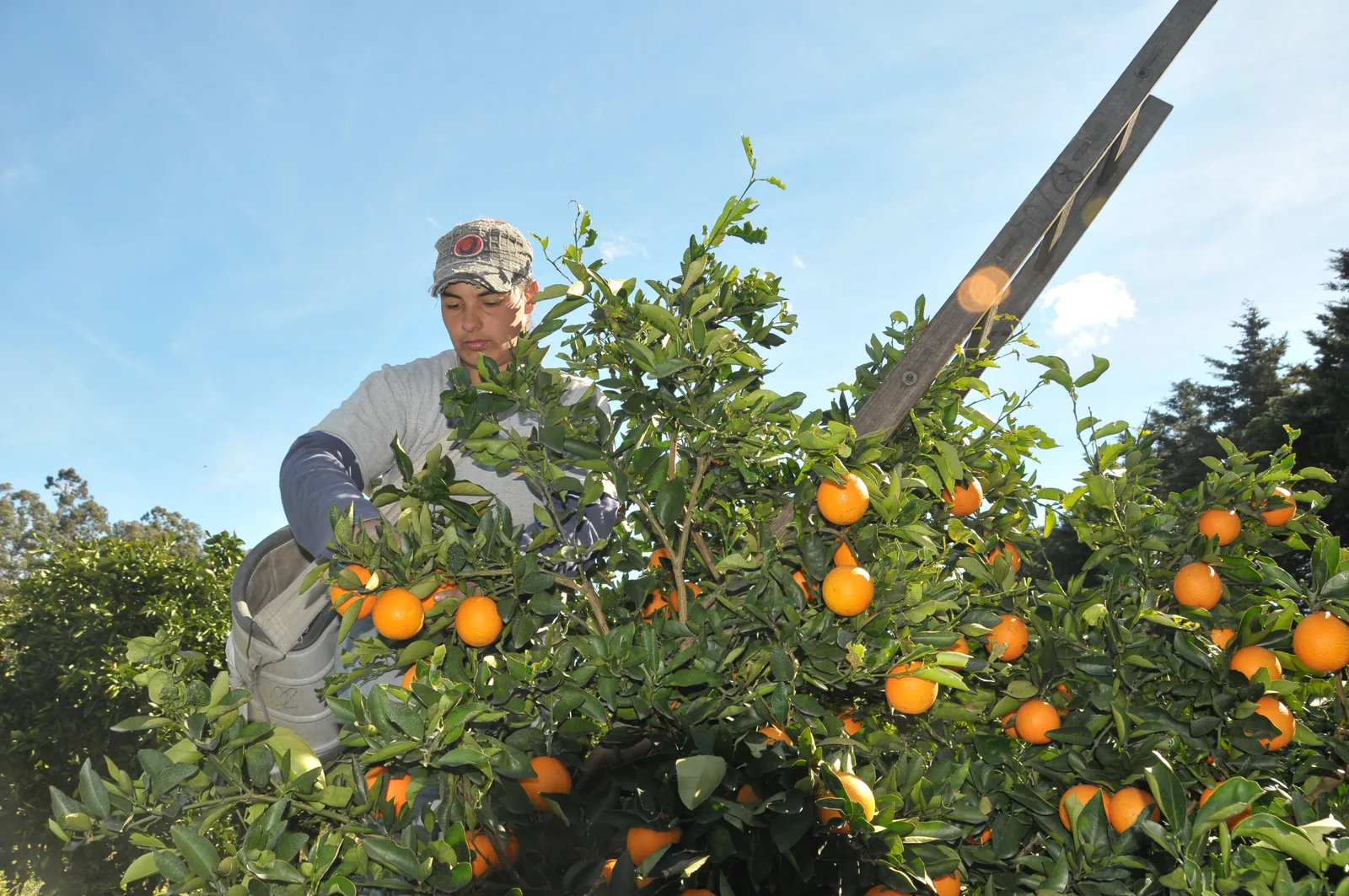
In spring the groves around Salto smell of orange blossom. The city is so used to it that it hardly notices, and yet in that smell, and in the orange itself, there is a good part of its history. Orange trees grew in gardens all over Uruguay, but citrus as a commercial crop began here. This is how the fruit came to Salto and how it left. Most of what follows comes from an agronomist who spent 40 years in the groves, from his first day in the trade to his last, and told it in a local interview.
Nobody knows exactly how it began
Where the first orange trees in Salto came from is a question without a clean answer. A book on the citrus industry of Salto, published in the 2000s, tells most of the story, but the beginning stays hazy. The best guess is that the trees came with immigrant families, Italian ones first, and that one of those families was the pioneer of the crop itself.
The other half of the story is Concordia. Salto and the Argentine city across the water were one community then, far more than now that there is a bridge, and families were spread over both banks. The river that divides them is little more than a block wide when the water is low. Whether the first citrus came in on the Salto side or the Concordia side, nobody can say.
Down the river to Buenos Aires
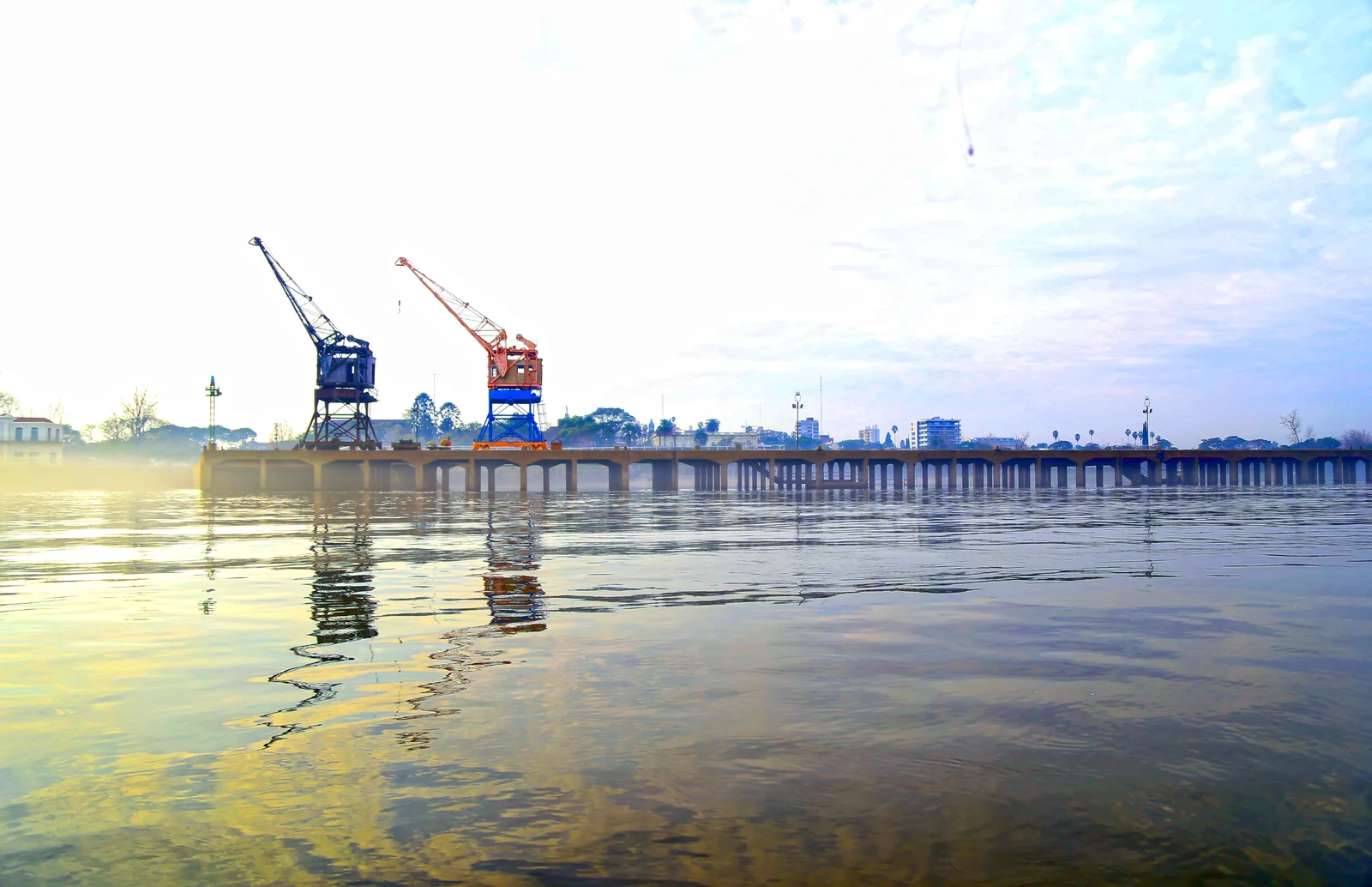
The river explains the rest. Salto and Concordia were the last navigable point on the Uruguay River, the furthest upstream that boats from Buenos Aires could come. So the city's trade looked downstream. Buenos Aires was a far easier journey than Montevideo overland, and that is why Salto has a port out of all proportion to the town it serves today. It no longer operates, but in its day it was the city's pride.
The first customers for Salto's fruit and vegetables were the boats themselves. The journey downriver took two or three days and the crews had to eat. Then the growers started selling to Buenos Aires directly. There was no customs post, so nobody can put a figure on the trade, but the citrus of Salto was born as an export. Getting oranges to Montevideo was impossible. Getting them to Buenos Aires took about a week.
A barrel of oranges to Europe
The first shipment to Europe is better documented. In the 1930s, before the Second World War, a grower from that pioneer family sent oranges across the Atlantic packed in wooden barrels of 200 litres. The steamships had changed what was possible. The war put a stop to it, but the long-distance trade had begun.
Only oranges could make that trip. The Valencia orange keeps; a mandarin does not. That is still true.
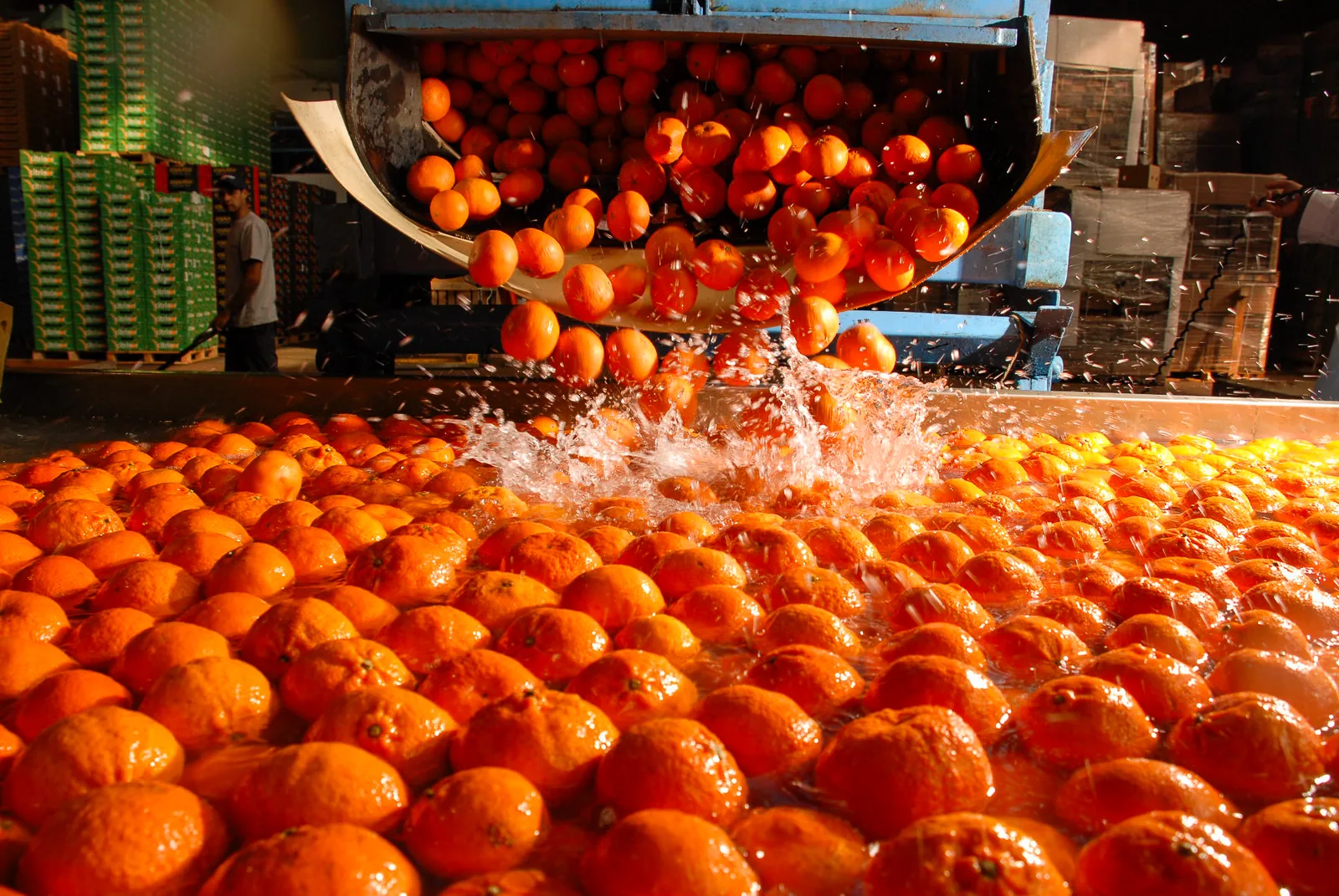
Exporting citrus is not like exporting fish, meat or wool, and nothing like exporting minerals or plastics. An orange is alive when it leaves and it has to arrive alive. If it dies on the way it rots, and before it rots it loses its flavour. From Salto the fruit takes 20-odd days to reach a port in Europe, Rotterdam or Spain. Then it needs another 20-odd days in the chain before somebody eats it, because nothing arrives at the fruit shop today and sells out tomorrow. The whole business rests on keeping a living thing alive for 40 days.
The orange is from Salto
For an older generation in Salto, orange meant the mandarin and the naranja criolla, the old local orange. The varieties came later, with the technology and with what the market asked for. The claim for the city is specific all the same. There were orange trees in gardens all over Uruguay, but citrus as a commercial crop is from Salto, not from the river country as a whole.
Paysandú, the other citrus region, came later and for a different reason. In the 1960s, after the break between France and Algeria, French settlers from there emigrated to Uruguay. They had grown citrus at home, clementines above all, and they came from a dry country looking for water. Uruguay offered them land near Paysandú, and that is where they planted. The groves of Paysandú date from then.
In the 1970s came the Plan Citrícola. With a loan from the Inter-American Development Bank, the law set up a development institute together with the Banco República, the state bank, and it worked. The Algerians, close-knit and skilled, drove a leap in the quality and the technology of the groves. Demand for citrus was growing and the supply had not caught up. Uruguay could get in.
The window in the northern winter
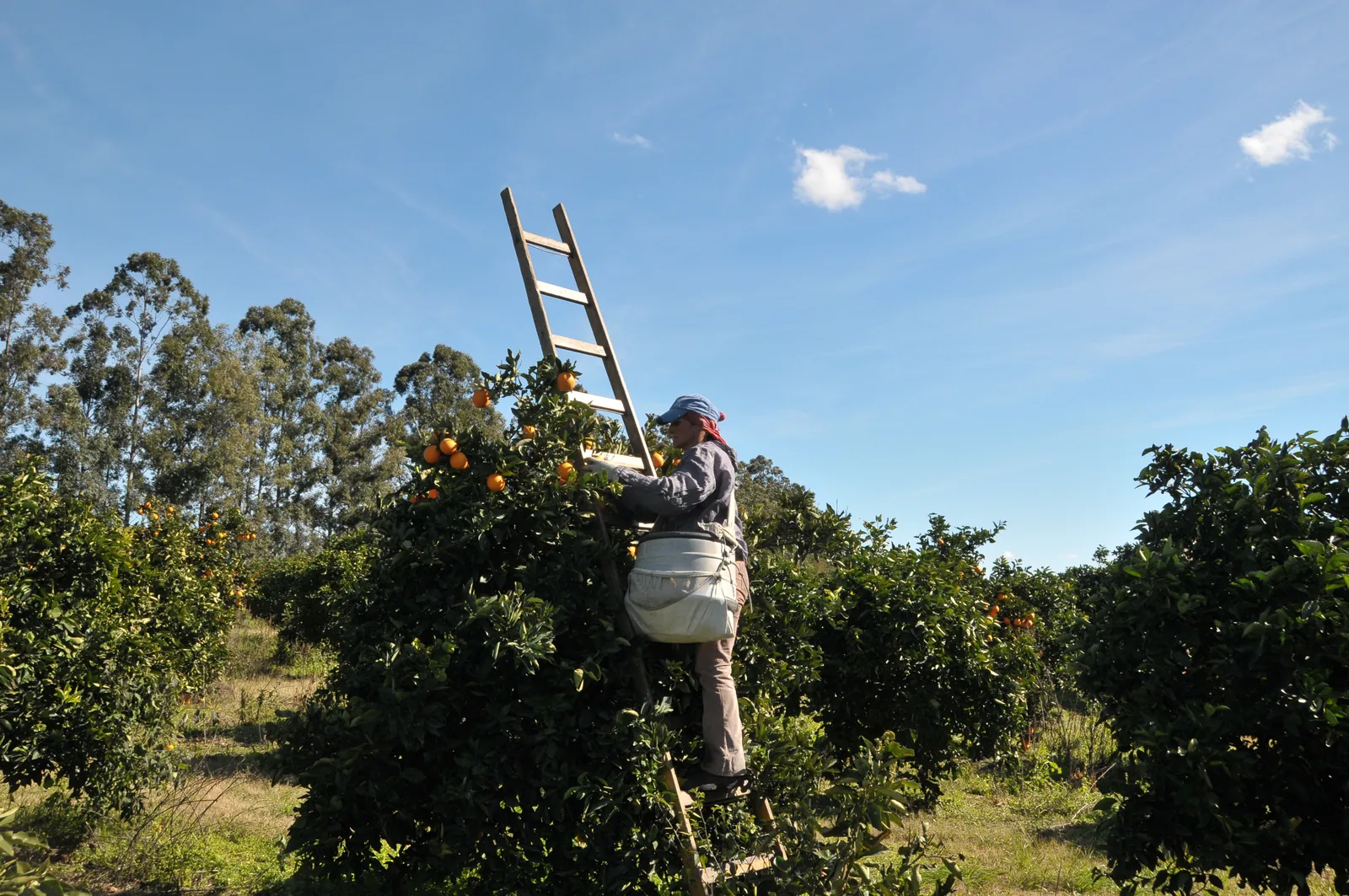
The logic of the trade is a gap in the calendar. Salto grows fresh fruit for fresh consumption, and it sells it when the big consumer markets cannot grow their own: oranges and mandarins in the northern winter, when the northern hemisphere has nothing to pick. The whole industry lives in that window.
Science went to work on the window from both ends. Growers in South America bred oranges that ripened earlier, to get into Europe the moment the European crop ran out. Fruit that has travelled 20 days cannot compete with fruit the Europeans have just started picking, so nobody here bothered much with late varieties. Europe answered by breeding late varieties of its own, to stretch its season and hold the southern fruit off longer. Today the market is close to oversupply, or at best in a precarious balance. Costs, distance, quality and the date the fruit ripens decide who stays in it. Everything has to run smooth as silk.
Eleven years to pay back a tree
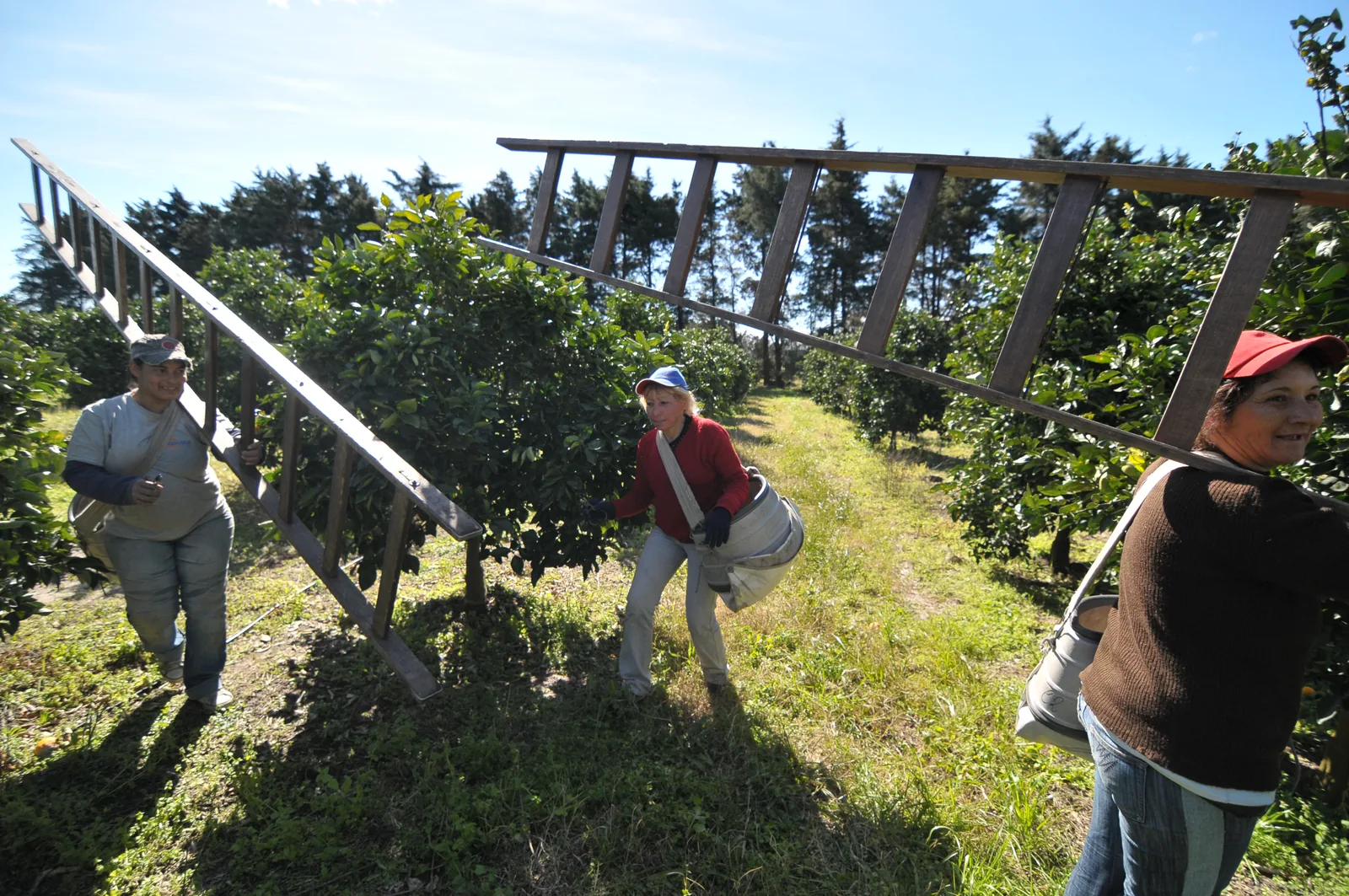
This is the part nobody sees. A citrus tree starts as a seed in a seedbed, where it spends a year. Then two years in the nursery. Only then, three years on, is it planted out in the grove. It needs four more years in the field before it flowers and fruits, and almost four more before the fruit has paid back the money and the time spent since it was a seed. A tree has a useful life of about 20 years. That leaves 16 years to recover the capital and make a living.
Behind every one of those trees there is a family. The Italians came at the start of the 20th century. Portuguese families came later, with everything they brought. Migrants, most of them, who found the right conditions and worked. Salto's oranges now go to Europe and to part of North America.
The orange follows you
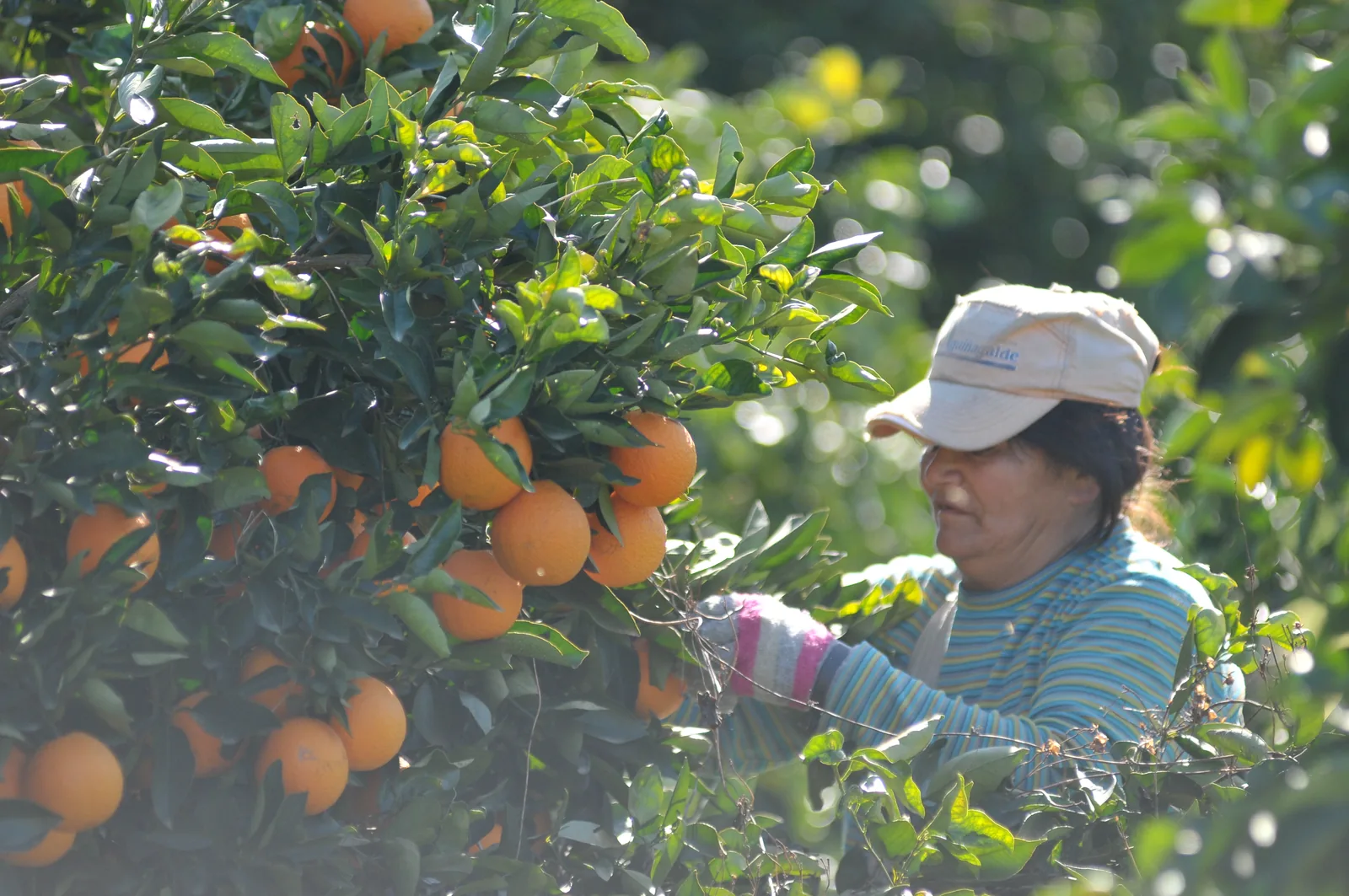
My own childhood was spent among orange and mandarin trees. I liked climbing the neighbours' trees, pulling the fruit down and sharing it with my friends. Pass me a gomo, someone would say. Gomo was what my friends and I called a segment, gajo in the dictionary. Sharing gomos, the whole group was happy. The orange follows you, even a long way from Salto.
The groves as they are today, with the fruit sold by the bag at the roadside and the blossom in spring, are in Citrus Country.
What people ask
Where did Uruguay's oranges begin?
In Salto. There were orange trees in gardens all over Uruguay, but citrus as a commercial crop began here, with Italian immigrant families at the start of the 20th century. The groves of Paysandú, the other citrus region, date from the 1960s, when French settlers from Algeria who had grown citrus at home were given land there.
Where do Salto's oranges go?
Today to Europe and to part of North America. The trade was born as an export down the river to Buenos Aires, and the first shipment to Europe went in the 1930s: oranges in 200-litre wooden barrels, sent by a grower from one of the pioneer families. Fruit bound for Europe spends 20-odd days at sea and needs another 20-odd days to reach the consumer, so only varieties that keep, such as the Valencia orange, make the trip.
How long does an orange tree take to pay for itself?
About 11 years from seed: a year in the seedbed, two years in the nursery, four more years in the field before the first fruit, and almost four more before the fruit has paid back the money and the time. A tree has a useful life of about 20 years.
Why does Uruguay sell oranges in the northern winter?
Because that is when the northern hemisphere cannot pick its own. Salto grows fresh fruit for the gap in the northern calendar, and growers here bred early-ripening oranges to enter Europe the moment the European crop ends. Europe's growers answered with late varieties to close the gap, and the market is now close to oversupply.