
Words by Mathias Nicola · August 2026 · Revised October 2026
If you are planning the classic South American route, the trails of Patagonia, the wall of water at Iguazu Falls, maybe a few nights in Rio or Buenos Aires, there is one thing nobody warns you about before you go: how tiring this kind of travel is.
Early flights. Long bus rides. Hikes that start at 6am. Photos in front of waterfalls with a thousand other tourists. By the halfway point most travellers are no longer chasing adventure. They are chasing a bed, a quiet meal and a moment when nobody asks them to be anywhere.
That is where Salto, Uruguay comes in.
The Stop Most Itineraries Miss
Salto sits on the Uruguay River, just across from Argentina's Entre Ríos province, and it is one of the most logical stopovers on the Patagonia–Iguazu–Rio route. It is not a bucket-list destination. It is a reset button.
Salto has some of the best natural hot springs on the continent: mineral water at a steady 35 to 40 °C all year, palm groves, quiet pools and open sky instead of crowds. Less a tourist attraction, more the spa day the trip has been asking for.
Why Salto, Why Now
1. It is well placed, and better connected than you would think.
Between Patagonia and Iguazu Falls, or on the way to Rio de Janeiro, Salto sits along the route, easy to reach from Argentina (a short crossing from Concordia) and connected to Uruguay's main routes. From Buenos Aires, Humming Airways used to fly from Aeroparque (AEP) to Concordia, just across the river, a route suspended since the end of July 2026; from Concordia it is a quick taxi over the Salto Grande bridge, or the traditional boat (lancha) crossing, and I can arrange the transfer. The direct overnight bus from Buenos Aires is the other classic. The flights from Montevideo and Asunción to Salto are suspended at the time of writing (November 2026). It is an easy detour, not one that costs you the itinerary. All the routes are on the Getting There page.
2. It is where travellers from the region go to unwind.
Unlike the heavily commercial spa resorts elsewhere on the continent, Salto's hot springs, Termas del Daymán and Termas del Arapey among them, still feel real. It is not just Uruguayans who come here: Argentinians and Brazilians cross the border regularly to sit in this water, drawn by the same thing you are looking for, real quiet, without the crowds or the theme-park feel of bigger spa destinations. When people from three countries keep choosing the same spot to unwind, that tells you something.
3. Two days is all it takes.
There is no need to carve out a week. A well-timed 48-hour stop is enough to soak, sleep properly, eat well and settle your nerves before the next leg of high-adrenaline travel.
The Two-Day Reset
Day 1: a hotel with its own hot-spring pools, and nothing else. Floating. A nap. A glass of Tannat, Uruguay's signature red and Salto's own, and the sunset over the river.
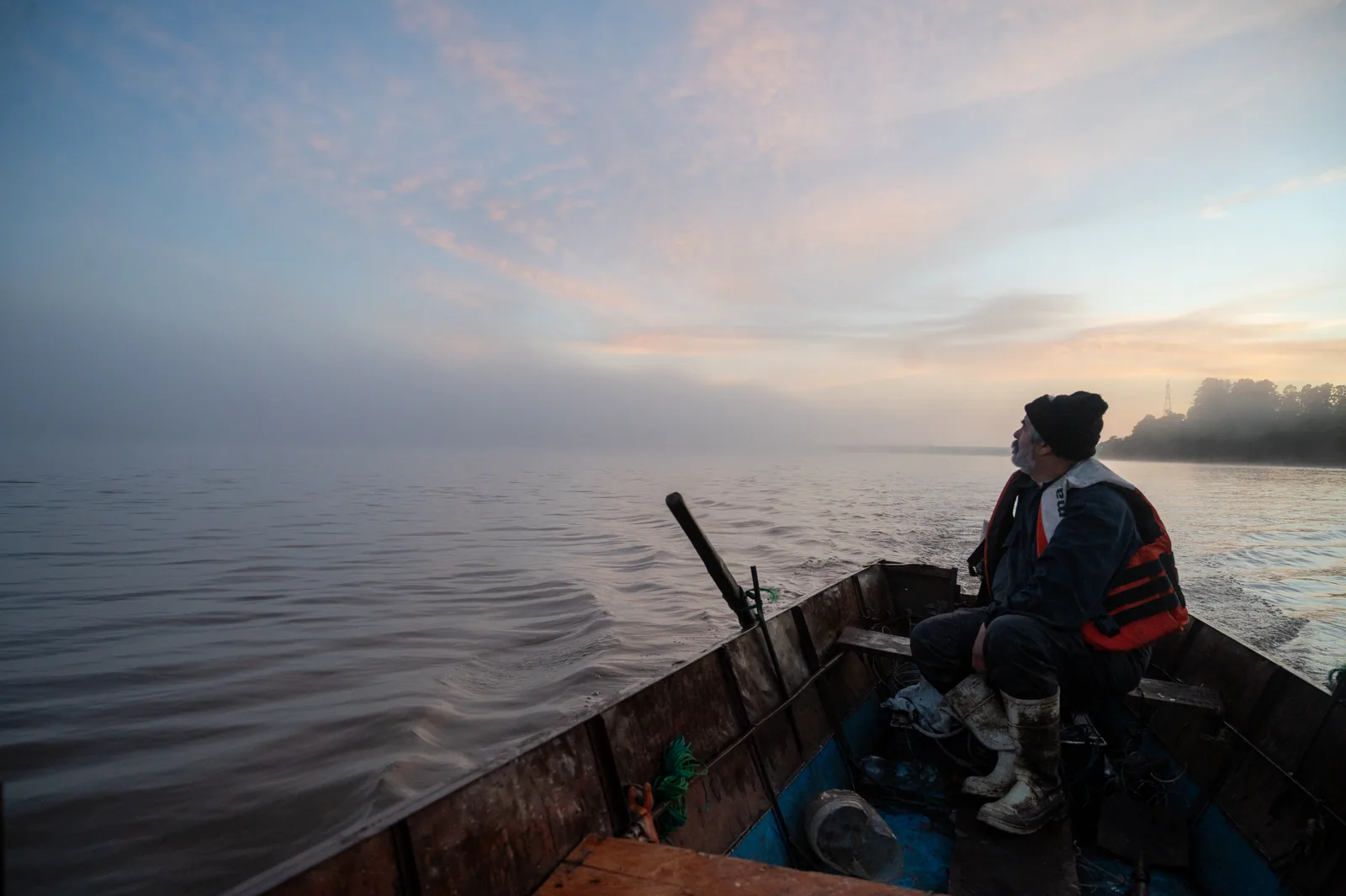
Day 2: Salto's easy-going historic centre, a coffee at a local café, a short boat trip on the Uruguay River, and a proper barbecue (asado) before the journey continues north or east, rested instead of running on empty.
Before Rio or the Road North: Salto
Stringing Patagonia, Iguazu and Rio into one trip is the standard ambition, but the smartest travellers are not the ones who see the most. They are the ones who pace themselves.
With the overnight bus from Buenos Aires, the flight to Concordia just across the river and the buses from Montevideo, adding Salto to the route towards Iguazu Falls costs nothing: no complicated connections, no wasted travel days, just a stop exactly when you need it most.
Salto is not a photo opportunity. It is the pause a trip needs so that the rest of it feels good instead of exhausting.
“The smartest travellers are not the ones who see the most. They are the ones who pace themselves.”
The stop in Salto starts with the hotels, the hot springs and the experiences.